Rain Gutters and Basement Flooding: What’s the Connection?
Basement flooding can feel like a homeowner’s worst nightmare. But did you know the problem might start far above your basement—on your roof? That’s right. Your rain gutter system plays a crucial role in preventing costly water damage to your home’s foundation and basement. Rain gutters play a critical role in managing water runoff; discover how proper installation protects your basement.
Let’s explore how gutters help, what can go wrong, and why expert installation from companies like Evergreen Exteriors Idaho can make all the difference.
The Role of Rain Gutters
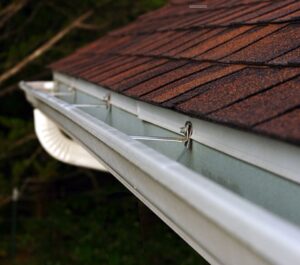
Rain gutters are designed to collect and divert rainwater from your roof. Instead of water pouring directly off the roofline and pooling next to your home, gutters guide that water through downspouts and direct it away from the foundation.
Without gutters—or with improperly functioning ones—rainwater cascades off the roof and saturates the soil near your basement walls. Over time, this leads to:
- Soil erosion
- Cracks in the foundation
- Increased hydrostatic pressure
- Water intrusion through basement walls or floors
Basement Flooding: A Chain Reaction
When water isn’t diverted properly, it begins to collect around your foundation. This increases hydrostatic pressure—essentially, the force that groundwater exerts on your basement walls. The result?
Water finds even the smallest cracks or porous areas in your foundation to seep through. Once inside, it can:
- Damage floors and drywall
- Create an environment for mold and mildew
- Harm electrical systems
- Decrease your home’s value
Common Gutter Problems That Contribute to Flooding

Even if you have gutters, not all systems are created equal. Here are common issues that can lead to flooding risks:
Clogged Gutters: Leaves, pine needles, and debris can clog your gutter system, causing overflow that dumps water near your foundation.
Improperly Installed Downspouts: Downspouts that discharge water too close to your home are essentially directing water straight to your basement.
Insufficient Gutter Size: Undersized gutters can’t handle Idaho’s heavy rains or snowmelt, resulting in overflow.
Poor Roof Drainage Design: Complex roof shapes can overwhelm a basic gutter setup if not designed with proper pitch, spacing, and angles.
How Evergreen Exteriors Idaho Helps
Evergreen Exteriors Idaho offers custom-designed gutter systems tailored to your home’s structure, local weather conditions, and landscaping. Their services address the root causes of water intrusion through:
- Seamless Gutter Installation – Fewer joints mean fewer leak points.
- Gutter Guard Systems – Prevent leaves and debris from clogging the flow.
- Downspout Extensions – Redirect water far from your foundation.
- Roof Coating & Drainage Evaluations – Ensure your whole exterior works in harmony to manage water.
Their team combines craftsmanship with local expertise—understanding Idaho’s intense seasonal shifts and heavy snowmelt periods.
Integrated Drainage = Better Protection
Gutters are only one part of a complete water management system. Evergreen Exteriors Idaho can help implement integrated solutions, including:
- Grading improvements to slope soil away from the home.
- French drains that guide underground water safely away.
- Sump pump consultation if interior solutions are needed as a last line of defense.
- Waterproofing basement walls to stop infiltration where it matters most.
When to Upgrade or Replace Gutters
Many homeowners don’t realize their gutters are failing until signs of water damage appear. Look for these warning signs:
- Water spilling over gutter edges
- Soil erosion or puddles near your foundation
- Basement mustiness or mold growth
- Rusty, sagging, or detached gutter sections
If you notice these, it’s time for a professional evaluation. Evergreen Exteriors offers free estimates and thorough inspections to pinpoint vulnerabilities before they become disasters.
Why Professional Installation Matters
DIY gutter systems often fall short of long-term protection. Professionals ensure:
- Correct sizing based on roof area
- Proper slope for water flow (¼ inch per 10 feet)
- Secure fastenings to prevent sagging
- Integration with other drainage systems
With Evergreen Exteriors Idaho, you’re not just getting parts and labor—you’re getting peace of mind.
Protecting Your Home from the Top Down
Basement flooding might seem like a ground-level issue, but the source of the problem often lies above—at the roofline. An efficient, professionally installed gutter system is your first line of defense.
Partnering with a trusted provider like Evergreen Exteriors Idaho ensures that your home is prepared to weather any storm. With years of experience serving Boise, Moscow, and surrounding areas, their team is committed to protecting your home from roof to foundation.