EV Charger Installation in New Orleans: From Panel Capacity to Plug
Installing a home EV charger in New Orleans requires evaluating your electrical service capacity first, then planning around our climate and home styles. Most homeowners discover that successful installation hinges on whether existing service can handle the load or needs upgrading. The process means choosing between charging speeds, running conduit through challenging spaces, using proper outdoor-rated equipment, and obtaining permits.
Understanding Level 1 vs. Level 2 Charging
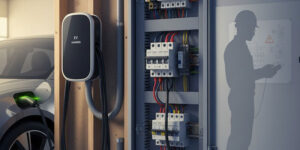 Level 1 charging uses a standard 120-volt household outlet and takes roughly 16 to 20 hours to fully charge most vehicles from empty. This option requires no electrical upgrades, making it attractive for new EV owners or those driving short distances daily. Level 2 charging uses a 240-volt circuit and cuts charging time to 4 to 10 hours depending on the charger model. Most homeowners planning regular home charging prefer Level 2. The tradeoff is clear: faster charging requires dedicated wiring, a properly sized breaker, and careful consideration of your panel’s total capacity.
Calculating Your Panel Capacity and Load
Your electrical service panel operates like a bucket that can hold only so much power. Standard residential panels are typically 100 amps or 200 amps in size. A Level 2 EV charger draws 30 to 50 amps depending on the model and specifications. Before installation, your ELECTRICIAN performs a load calculation to determine whether existing service accommodates a dedicated charger circuit safely. If your calculation shows insufficient capacity, a panel upgrade becomes necessary. This upgrade involves adding a new service entrance and installing a larger main breaker. In New Orleans, this adds significant cost but ensures code compliance and long-term safety.
Dedicated Circuits and GFCI Protection
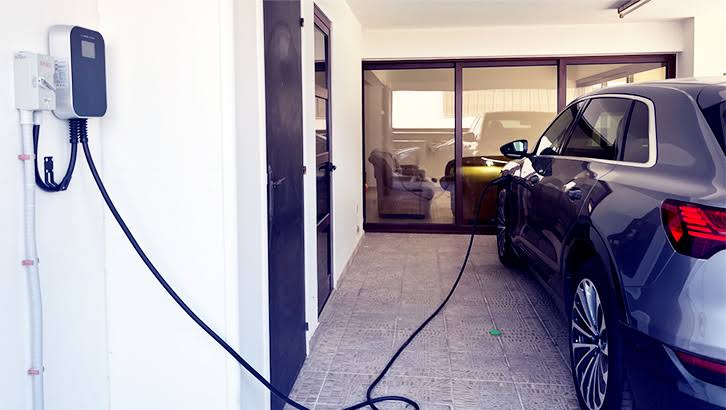
A dedicated circuit means the EV charger has its own breaker and wiring serving no other loads. This isolation protects both the charger and your home from overload and nuisance breaker trips. The National Electrical Code requires GFCI (ground fault circuit interrupter) protection on most outdoor circuits and wet locations. Nearly every outdoor charger installation in New Orleans needs GFCI protection because of our wet climate. Whether you choose hardwired installation (permanently connected) or a plug-in receptacle model, proper protection is essential. Hardwired installations prove more durable and reliable for permanent outdoor use. Receptacles offer flexibility if you might relocate the charger in the future.
Routing Conduit Through New Orleans Homes
New Orleans homes present unique installation challenges that require careful planning. Many properties have detached garages, carports, or raised foundations on piers that demand creative routing. Detached garages require running conduit and cable across open ground or through walls to reach the parking area. Carports need similar solutions, often involving conduit along fascia or support posts. Raised foundation homes demand conduit underneath the house structure for protection from moisture and damage. Homes with on-street parking sometimes require conduit running along the house facade to reach a side location or driveway. Every conduit run must follow code requirements for proper depth, support spacing, and protection from impact damage.
Outdoor Equipment in Our Humid Climate
New Orleans humidity and occasional saltwater exposure create harsh conditions for outdoor electrical equipment. All components exposed to weather must have ratings for wet locations and corrosion resistance. This includes charger housings, conduit fittings, breaker boxes, and receptacles. Materials like stainless steel and galvanized components significantly extend equipment lifespan. Regular maintenance including checking seals and coatings prevents moisture intrusion and corrosion. A charger installed without attention to these factors corrodes quickly and fails prematurely. This creates both safety hazards and performance problems that cost more to fix later.
Permits, Code Inspections, and Load Management
New Orleans requires permits for EV charger installation to protect homeowners and ensure code compliance. The inspection process verifies the dedicated circuit, proper grounding, GFCI protection, and adherence to the National Electrical Code. Skipping permits puts your home insurance, safety, and resale value at risk. If a full panel upgrade feels too expensive now, load management devices offer a middle path. These smart devices monitor your home’s total power consumption and reduce charger draw during peak household usage times. They prevent service overload without upgrading your panel, though they limit charging speed during high-demand periods. Many homeowners find this approach attractive while saving money for a future panel upgrade.
Frequently Asked Questions
What’s the cost difference between Level 1 and Level 2 installation? Level 1 uses your existing outlets and costs nothing extra to install. Level 2 requires dedicated circuit wiring, a new breaker, and either hardwired or receptacle charger equipment. If you need a panel upgrade, costs increase substantially, but simple Level 2 installation on adequate existing panels stays affordable.
Can I install a charger myself to save money? Home electrical work in Louisiana requires a licensed electrician and proper permits. DIY installation violates electrical code, voids equipment warranties, creates fire and shock hazards, and won’t pass inspection. Hiring a licensed electrician protects your family’s safety and your home’s value.
How does New Orleans humidity affect charger equipment lifespan? Humidity accelerates corrosion on standard electrical equipment over time. Wet-rated and corrosion-resistant materials are absolutely essential here. Neglecting these requirements significantly shortens equipment life and increases maintenance costs substantially.
About MK Electric Man
MK Electric Man is a licensed electrical contractor serving the greater New Orleans area including Chalmette, Metairie, Kenner, Jefferson Parish, and St. Tammany Parish. We specialize in EV charger installation, dedicated circuits, panel upgrades, and all permitting and code inspection requirements.